
Inspection issues
Common NZ House Defects and What They Can Really Cost
A detailed NZ property guide explaining the most common house defects, how serious they are, and what buyers should understand before going unconditional.
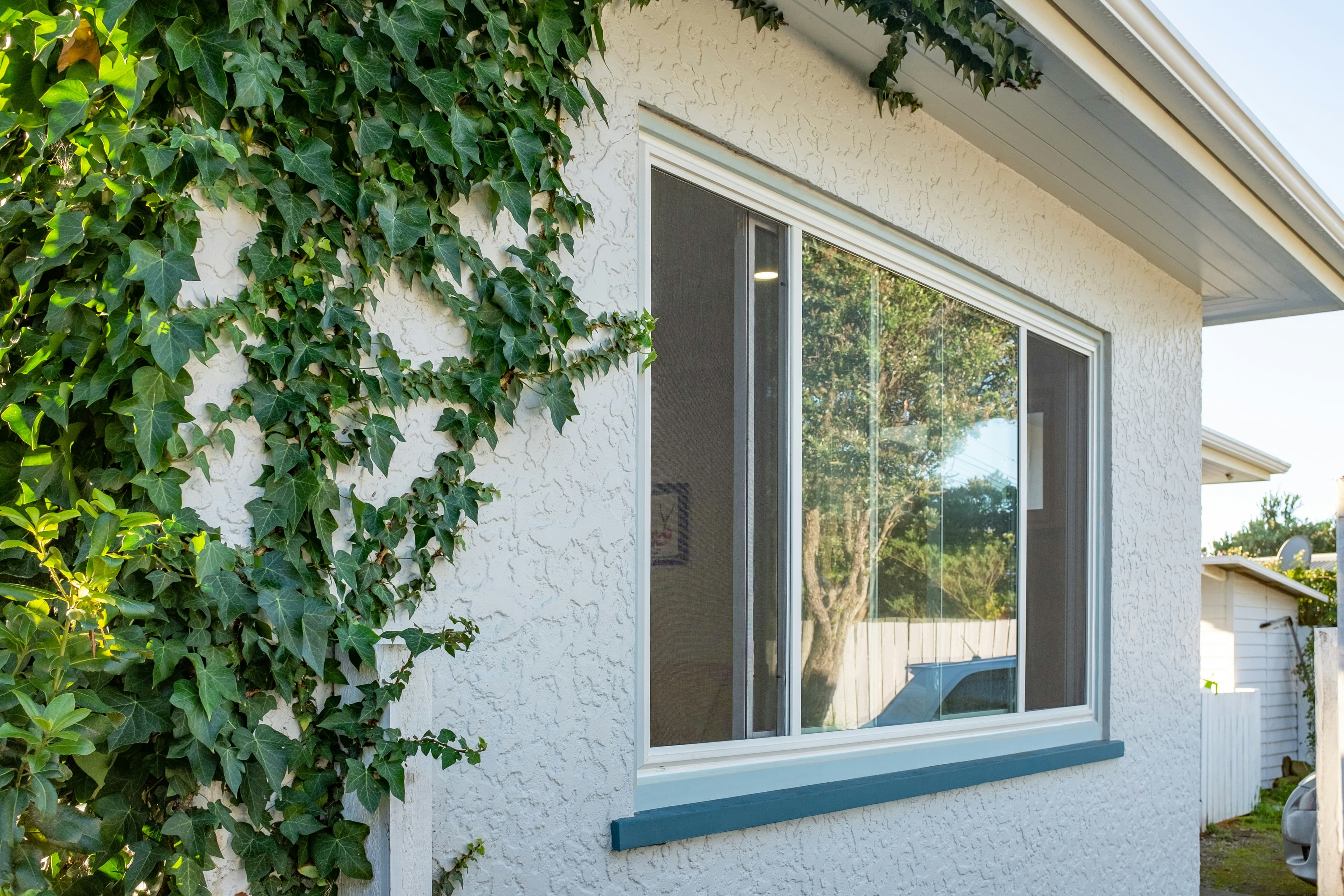
Common NZ House Defects and What They Can Really Cost
Most New Zealand homes contain defects.
That is normal.
The challenge for buyers is understanding the difference between:
- routine maintenance
- medium-term ownership costs
- genuinely serious financial risk
Building reports often contain dozens of observations, but not every issue deserves equal emotional weight.
Some defects are inexpensive and manageable.
Others can materially affect:
- ownership cost
- insurance
- resale value
- financing
- negotiation leverage
This guide breaks down the most common NZ property defects buyers should understand before going unconditional.
Moisture and Weathertightness Problems
Moisture is one of the most financially significant categories in New Zealand property.
The reason is simple:
The visible symptom is often smaller than the hidden damage behind it.
Common Moisture Findings
Inspectors may identify:
- elevated moisture readings
- staining
- musty smells
- soft flooring
- poor ventilation
- cladding cracking
- drainage concerns
Why Moisture Becomes Expensive
Once water enters framing systems or wall cavities, repair scope can expand significantly.
Potential downstream impacts include:
- timber decay
- mould growth
- insulation replacement
- framing repair
- recladding exposure
- internal lining replacement
What Buyers Often Get Wrong
Many buyers either:
- panic immediately
- underestimate the seriousness entirely
The key issue is understanding:
- severity
- uncertainty
- likely hidden scope
- repair exposure
Roofing and Drainage Defects
Roofing and drainage issues are commonly underestimated because reports often describe them cautiously.
Words like:
- maintenance required
- ageing materials
- isolated leakage
- monitor condition
can still represent meaningful future spending.
Common Roofing Issues
- rusting roofs
- ageing flashings
- cracked tiles
- membrane deterioration
- sagging
- patch repairs
Drainage Problems
Poor drainage can contribute to:
- moisture ingress
- subfloor dampness
- retaining wall failure
- foundation movement
Water management issues deserve more attention than many buyers realise.
Electrical Problems
Electrical upgrades can quickly become expensive in older homes.
Common Findings
- outdated switchboards
- ceramic fuses
- DIY wiring
- deteriorated cabling
- lack of RCD protection
Why Electrical Issues Matter
Electrical defects carry both:
- financial implications
- immediate safety risks
Some upgrades are manageable.
Others may indicate broader system replacement is approaching.
Plumbing Defects
Plumbing issues are often hidden until they become severe.
Common Plumbing Concerns
- galvanised piping
- poor water pressure
- corrosion
- historic leaks
- ageing hot water systems
Why Buyers Miss the Risk
Small leaks can remain hidden for years inside walls or flooring systems.
Sometimes isolated plumbing defects actually indicate broader infrastructure deterioration.
Structural Movement
Structural findings naturally create anxiety among buyers.
Potential indicators include:
- sloping floors
- cracking
- retaining wall movement
- uneven foundations
- subfloor deterioration
Not every crack means catastrophic failure.
But movement findings often justify specialist assessment.
Non-Compliant Renovations
Unconsented or poorly completed renovations are extremely common in NZ property.
Typical examples include:
- garage conversions
- decks
- bathroom renovations
- retaining walls
- sleepouts
Why This Matters
Non-compliant work can affect:
- insurance
- council approvals
- financing
- resale value
- future renovation plans
Sometimes the biggest risk is not visible quality.
It is uncertainty around how the work was completed.
Common Buyer Mistakes
Treating Every Defect Equally
Not every issue materially changes the economics of the purchase.
Ignoring Medium-Term Costs
Many buyers focus only on immediate repairs while underestimating future maintenance exposure.
Failing to Prioritise
The key is separating:
- urgent risk
- medium-term maintenance
- cosmetic items
Overreacting Emotionally
Good due diligence is usually structured rather than emotional.
How Buyers Should Think About Cost
Buyers rarely need perfect repair numbers upfront.
What they need is realistic context around whether likely spending is:
- hundreds
- thousands
- tens of thousands
- potentially much larger
That context changes negotiation strategy and ownership planning significantly.
Final Thoughts
Most homes have defects.
The goal is not finding a perfect property.
The goal is understanding:
- what matters
- what is manageable
- what deserves specialist advice
- what materially affects ownership cost
FixFigure helps buyers convert long building reports into:
- prioritised repair summaries
- urgency rankings
- indicative repair ranges
- negotiation-ready outputs
- maintenance planning workflows