
Issue explanation
Monolithic Cladding Risk Explained: What NZ Buyers Need to Know
A practical guide explaining monolithic cladding risks in New Zealand, why buyers get nervous, and how to interpret weathertightness concerns in building reports.
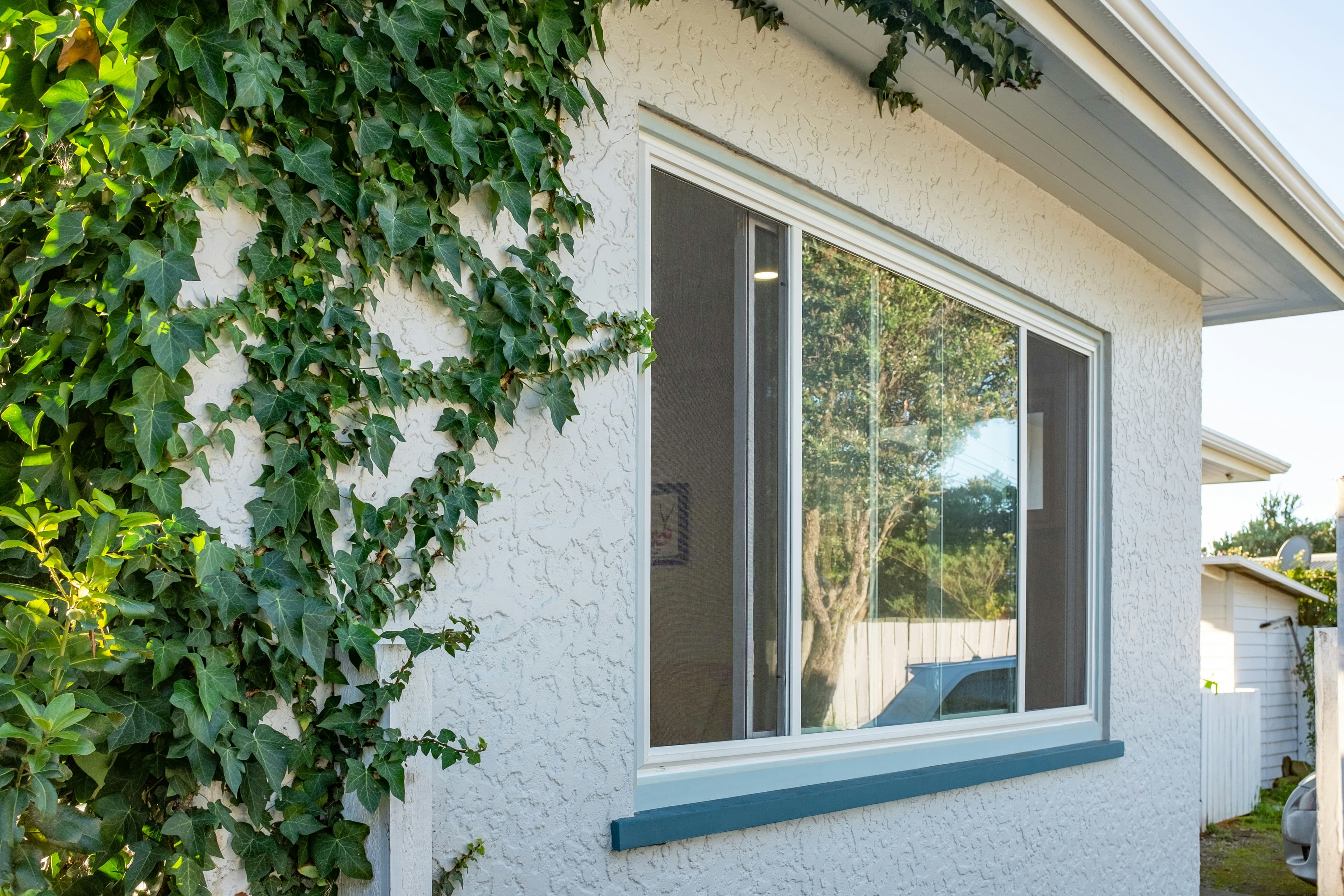
Monolithic Cladding Risk Explained
Few property terms create more anxiety for NZ buyers than “monolithic cladding”.
And while not every monolithic-clad property has problems, there is a reason these homes receive additional scrutiny during due diligence.
The key issue is not simply the cladding material itself.
It is the possibility of hidden moisture damage behind the system.
What Is Monolithic Cladding?
Monolithic cladding generally refers to exterior plaster-style systems that create a smooth, continuous appearance.
These systems became particularly common in New Zealand during the 1990s and early 2000s.
Many homes from this era were built with design features that later proved more vulnerable to moisture intrusion.
Why Buyers Pay Attention
Certain combinations of design choices increased weathertightness sensitivity.
Common risk factors include:
- minimal eaves
- flat roof sections
- balconies
- complex junctions
- poor drainage detailing
- inadequate flashing systems
- untreated timber framing
Not every property with these features has issues.
But the downside exposure can be substantial when moisture damage already exists.
Why Hidden Damage Is the Real Concern
The biggest risk is often what cannot be seen during a visual inspection.
Moisture behind cladding systems can contribute to:
- framing deterioration
- mould growth
- insulation damage
- structural decay
- expensive remediation work
Repair scope can escalate significantly once walls are opened.
Important Building Report Language
Pay close attention to wording such as:
- elevated moisture readings
- recommend invasive testing
- limited visibility
- cracking observed
- moisture-sensitive design
- possible ingress pathways
These comments often indicate uncertainty rather than confirmed failure.
But uncertainty itself materially affects buyer risk.
Does Monolithic Cladding Always Mean Recladding?
No.
This is one of the biggest misconceptions among buyers.
Some monolithic-clad homes perform well and have been maintained properly for years.
Others may require:
- targeted repairs
- maintenance upgrades
- moisture remediation
- partial recladding
- full recladding
The key is understanding the likely severity of the underlying issue.
Common Buyer Mistakes
Panicking Immediately
Not every monolithic property is a disaster.
Ignoring Multiple Risk Indicators
Risk increases when multiple warning signs appear together.
Failing to Budget Conservatively
Even uncertainty alone may justify larger contingency buffers.
Treating the Issue as Cosmetic
Weathertightness concerns can become structural and systemic.
Questions Buyers Should Ask
- Are elevated moisture readings present?
- Is invasive testing recommended?
- Has maintenance been deferred?
- Are there visible cracks or drainage issues?
- Does the property include multiple high-risk design features?
- What era was the property built in?
How Monolithic Cladding Affects Negotiation
Cladding concerns often materially change negotiation dynamics because:
- repair exposure can be large
- uncertainty affects buyer confidence
- banks and insurers may become cautious
- future resale may be impacted
The strongest negotiations usually rely on:
- concise issue summaries
- realistic cost framing
- specialist advice where appropriate
- evidence-based discussion
Final Thoughts
Monolithic cladding is not automatically a defect.
But it does deserve careful due diligence because the potential downside exposure can be significant.
Good property decisions come from understanding:
- likelihood of hidden damage
- scale of possible repair exposure
- uncertainty level
- long-term ownership implications
FixFigure helps buyers translate complex building report wording into:
- practical next steps
- urgency categories
- indicative repair ranges
- negotiation-ready summaries
- maintenance planning insights