
Due diligence guide
Should I Walk Away After a Building Report? A NZ Buyer's Guide
Got a worrying building report? Learn how NZ buyers can separate normal maintenance from serious risks and decide what needs investigation before proceeding.
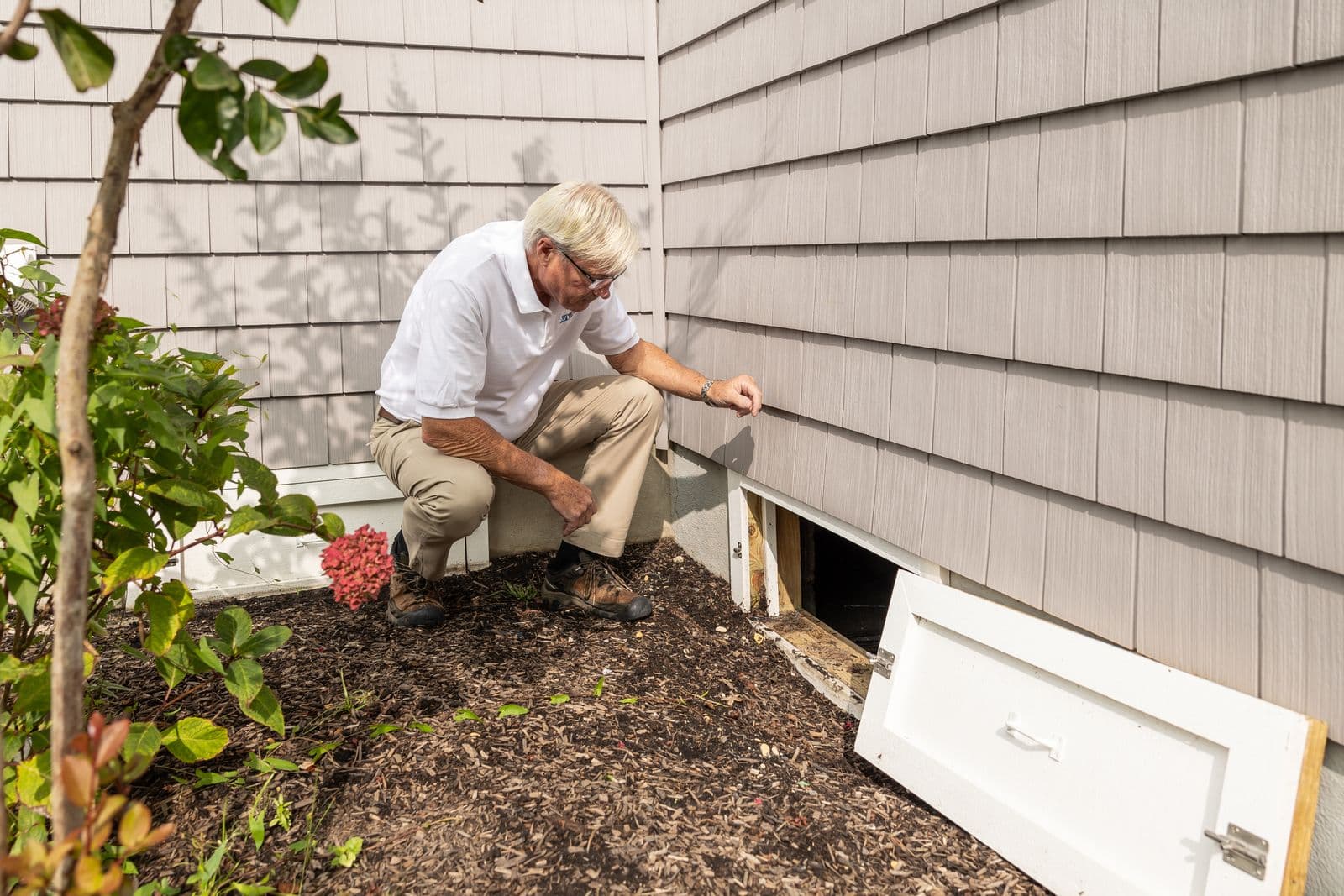
Should I Walk Away After a Building Report?
You finally get the building report back.
It's 60 pages long.
There are photos of cracks, moisture readings, ageing roofing, rusty fixings and warnings to "seek further specialist advice".
Your first thought might be:
Should I walk away?
Not necessarily.
Most New Zealand houses have issues.
The important question isn't whether your building report contains defects.
It's whether those defects create a level of cost, uncertainty or risk that no longer works for you.
A long building report isn't automatically a bad building report
Building inspectors are there to document what they observe.
That means even relatively minor issues can end up recorded.
A report might include dozens of comments about:
- paint deterioration
- sealant
- loose fittings
- minor cracking
- ageing materials
- general maintenance
- drainage
- roofing
- moisture
- electrical items
Putting them all into one document can make a perfectly manageable house look disastrous.
Don't count the number of defects.
Rank them.
Start with three buckets
A useful first pass is to divide the report into three groups.
1. Normal maintenance
These are things virtually every homeowner will eventually deal with.
Examples might include painting, clearing gutters, replacing sealant or repairing minor wear.
They cost money, but they don't necessarily change whether the house is sensible to buy.
2. Material repair costs
These are bigger jobs that affect what owning the property is likely to cost.
Think:
- significant roof repairs
- electrical upgrades
- plumbing replacement
- drainage work
- insulation upgrades
- pile or subfloor repairs
These aren't necessarily deal breakers either.
But you want to understand their likely cost before deciding what the house is worth to you. For example, roofing findings are easier to weigh once you understand the drivers behind roof repair costs in NZ.
3. High-uncertainty or high-consequence findings
This is where you slow down.
Examples include:
- unexplained elevated moisture
- possible hidden water ingress
- significant structural movement
- weathertightness concerns
- extensive deterioration
- serious safety issues
- findings where invasive or specialist investigation is recommended
The problem isn't always that the house definitely needs an enormous repair.
Sometimes the problem is that you don't yet know.
And uncertainty matters too.
When should you genuinely become concerned?
One defect in isolation doesn't always tell you much.
Clusters matter.
An elevated moisture reading next to an otherwise ordinary bathroom might lead to a very different investigation from elevated moisture combined with monolithic cladding, cracking, failed junctions and signs of historic leakage.
The damp and moisture guide is useful if your report uses moisture language and you are trying to understand why inspectors are careful with those findings.
Likewise, one loose roof fixing isn't the same thing as widespread corrosion, repeated patching and evidence that the roof is approaching the end of its useful life.
Look at the pattern, not just the scary phrase.
Ask "what happens next?" rather than "is this bad?"
For each major finding, ask:
What do we know?
What has actually been observed?
What don't we know?
Is the inspector flagging confirmed damage, or a risk that needs further investigation?
What is the likely cost range?
Are you dealing with $1,000 of maintenance, $15,000 of repairs or potentially much more?
Can I reduce the uncertainty?
Would a roofer, electrician, engineer or weathertightness specialist materially change your understanding?
Would I still buy the house at the right price?
This is often the most useful question.
A repairable defect doesn't automatically make a property a poor purchase.
But it may change what you're prepared to pay.
When negotiation may make more sense than walking away
Suppose your report identifies $15,000-$25,000 of reasonably well-defined work.
You like the house.
You're comfortable completing the repairs.
And the vendor is prepared to recognise some or all of that exposure.
The report may become useful negotiation evidence rather than simply a list of problems. The guide to negotiating after a building report explains how to keep that discussion focused on evidence and realistic cost context.
When further investigation matters more than negotiation
Sometimes trying to negotiate immediately is premature.
If the report recommends further invasive or specialist investigation, the bigger question may not yet be price.
It may be what is actually wrong.
A discount isn't particularly useful if the eventual problem turns out to be substantially larger than expected.
Where uncertainty is material, getting more certainty may be more valuable than negotiating against an estimate you don't trust.
When walking away can be rational
There is no universal defect that means every buyer should walk away.
Different buyers have different:
- budgets
- renovation experience
- access to trades
- time horizons
- financing situations
- tolerance for uncertainty
Walking away may become reasonable when the combination of known repair costs and unresolved risk takes the property outside what the buyer is comfortable owning.
That might happen because:
- likely repairs are simply too expensive
- uncertainty remains too high
- specialist advice identifies a much larger problem
- insurance or lending becomes difficult
- the property requires more work than you're willing to take on
- the numbers no longer make sense at the price being considered
Before you decide, make sure you're reading the report in context
Building reports are technical documents.
They are good at recording observations and limitations.
They aren't always good at answering the question running through a buyer's head:
"How worried should I actually be?"
FixFigure is designed for that gap.
FixFigure is independent of the agent, vendor and sale. Upload your building report and it helps organise the findings into clearer priorities, explains the inspector's wording and adds indicative NZ repair-cost context.
Upload your building report - $20
The bottom line
Don't walk away simply because your building report has lots of defects.
And don't ignore serious findings because you love the house.
Instead, work out:
- What is normal maintenance?
- What has a meaningful repair cost?
- What remains uncertain?
- Can that uncertainty be resolved?
- Does the property still make sense once those costs and risks are included?
Sometimes that leads to proceeding.
Sometimes negotiation.
Sometimes further investigation.
And sometimes walking away.
The important part is understanding why.