
Due diligence guide
When Should You Get a Building Inspection in NZ? Before Auction vs Conditional Offer
Buying a house in NZ? Learn when to arrange a building inspection for an auction or conditional offer, what happens when the report arrives, and what to check before going unconditional.
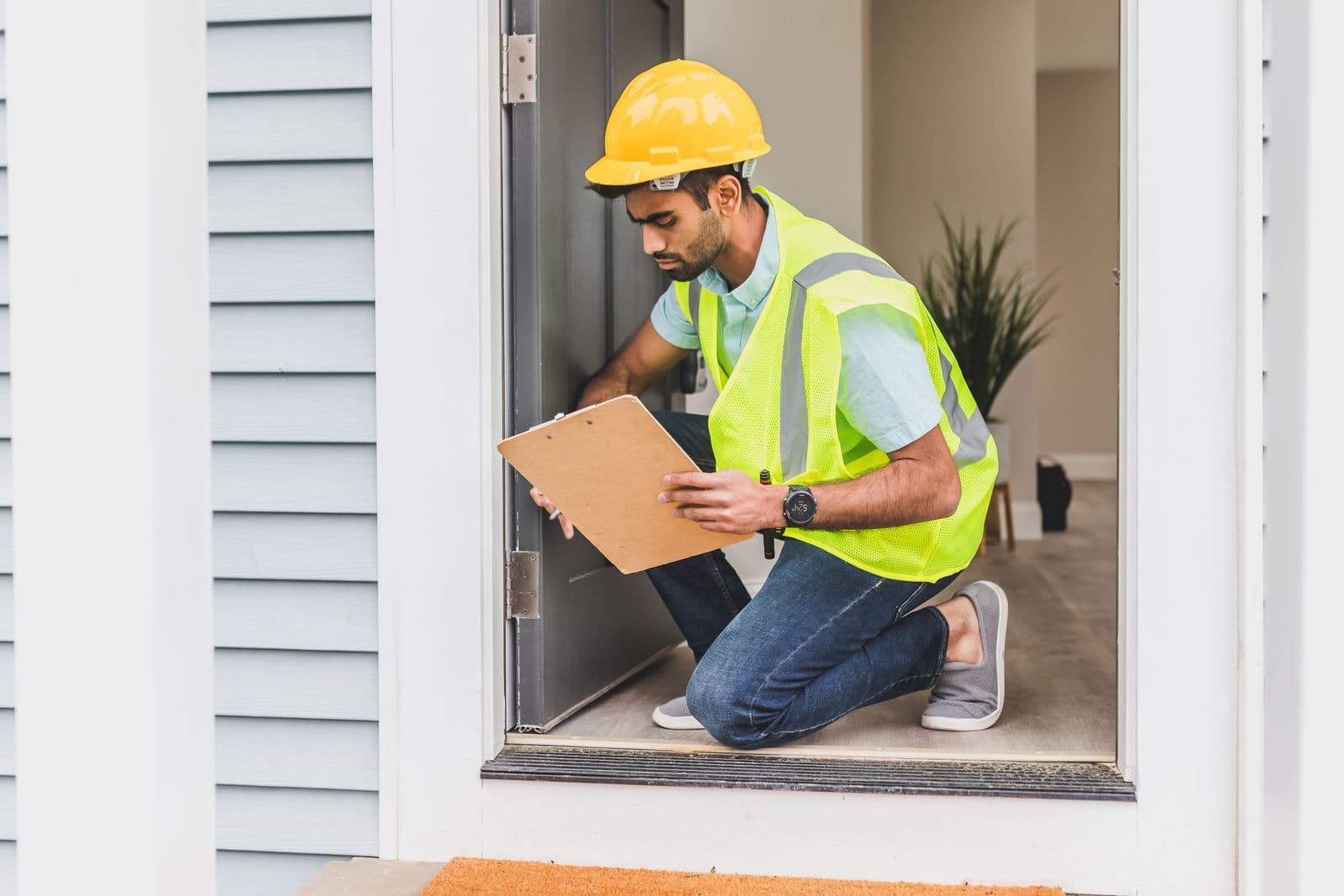
When Should You Get a Building Inspection in NZ?
You've found a house you like. Now comes the building inspection.
But when should you actually get it done?
For most New Zealand buyers, the answer depends on how the property is being sold.
An auction, a conditional offer and an unconditional offer put you in very different positions.
Timing matters because getting the report is only the first step. You also need enough time to understand what it says, ask questions, investigate anything serious and decide whether the property still stacks up.
If you're buying at auction
Do your building inspection before auction day.
Auctions are generally unconditional. If you're the successful bidder, you normally do not get another opportunity to make the purchase subject to a satisfactory building report.
That means your due diligence generally needs to happen beforehand. The auction due diligence checklist is a useful companion if you are deciding what to organise before bidding.
Ideally, do not leave the inspection until the day before the auction either.
A report might raise something that needs another conversation or another inspection, such as:
- elevated moisture readings
- possible weathertightness problems
- structural movement
- an ageing roof
- questionable electrical work
- drainage problems
- unconsented alterations
The initial building report might identify a risk without being able to tell you its full extent.
Giving yourself several days lets you investigate rather than making a major financial decision under unnecessary pressure.
If you're making a conditional offer
A different approach is common when buying by negotiation or deadline sale.
Your lawyer may recommend making the agreement conditional on a satisfactory building inspection.
The exact wording of that condition matters, so buyers should discuss it with their lawyer before signing an agreement.
Once an offer is accepted, there will usually be a specified period to satisfy the conditions in the agreement.
That's when the clock starts.
You'll need time to:
- Arrange the inspection.
- Receive the report.
- Understand the important findings.
- Investigate anything that needs more certainty.
- Decide what action to take before satisfying the condition.
Once a purchase becomes unconditional, the buyer's position changes significantly, which is why the period between receiving the report and satisfying the condition is important.
What if the vendor already has a building report?
A vendor-supplied report can be useful.
But understand exactly what you're relying on.
Check who commissioned it, who the inspector's client was, when the inspection occurred and whether you are entitled to rely on the report.
For a major purchase, buyers may still decide to obtain their own independent inspection.
A lawyer and building inspector can help determine what is appropriate for the particular purchase.
Don't just plan for the inspection. Plan for the report
This is the bit buyers often underestimate.
You book an inspector.
They inspect the house.
Then a 40, 60 or 100-page PDF arrives.
And suddenly you're reading phrases like:
- "elevated moisture reading"
- "further investigation recommended"
- "maintenance required"
- "limited visibility"
- "possible movement"
- "weathertightness risk"
A long report doesn't automatically mean the house is a bad buy.
Most houses have defects and maintenance requirements.
What matters is working out which findings are normal ownership items, which are worth budgeting for and which warrant investigation before committing. If you are already at this stage, the guide to reading a building report in New Zealand explains a practical way to separate those categories.
Normal ownership items
Things you should expect to maintain over time.
Worth budgeting for
Larger repairs that may not stop you buying, but should be included in your decision.
Worth investigating before committing
Issues where the potential cost or uncertainty is significant enough that you need more information.
That's why leaving yourself time after the inspection is important.
How long before going unconditional should you get the report?
There isn't one perfect number.
The objective is simple:
Do not arrange the inspection so late that receiving the report leaves you no time to act on it.
If something important appears, you may want time to:
- speak with the inspector
- obtain specialist advice
- understand likely repair costs
- contact your lawyer
- check implications with your insurer or lender
- discuss the findings with the vendor
- negotiate if appropriate
A report received hours before your deadline leaves very little room for any of that.
What should you do when the report arrives?
Start by resisting the temptation to count defects.
A 70-item report is not automatically worse than a 20-item report.
Instead, ask:
What actually matters?
Look first for issues involving moisture, weathertightness, structure, roofing, drainage, safety or major uncertainty.
What could this cost?
A vague finding becomes much easier to evaluate once you know whether the likely exposure is hundreds, thousands or tens of thousands of dollars.
What needs to happen before I commit?
Some findings simply belong in your future maintenance plan.
Others deserve a phone call.
A smaller number may justify specialist investigation, negotiation or reconsidering the purchase.
Already got the building report?
This is the moment FixFigure is designed for.
FixFigure is independent of the agent, vendor and sale. Upload your building report and it helps turn the inspector's findings into clearer priorities, plain-English explanations, indicative NZ repair-cost ranges, questions worth asking and practical next steps.
Instead of treating every line in the report as equally alarming, you can focus on what could actually change the decision.
Upload your building report - $20
The bottom line
The best time for a building inspection isn't simply "before buying".
It's early enough that you still have time to understand and act on what it finds.
For auction buyers, that usually means completing due diligence before bidding.
For conditional buyers, it means arranging the inspection early enough within the condition period to investigate anything important before going unconditional.
The inspection finds the issues.
The next job is understanding what those issues actually mean.